Le migliori mete in barca nel Sud Sardegna

Our Destinations

Our sailing destinations in Southern Sardinia take you to discover a wild stretch of coastline where the Mediterranean reveals its most authentic side.
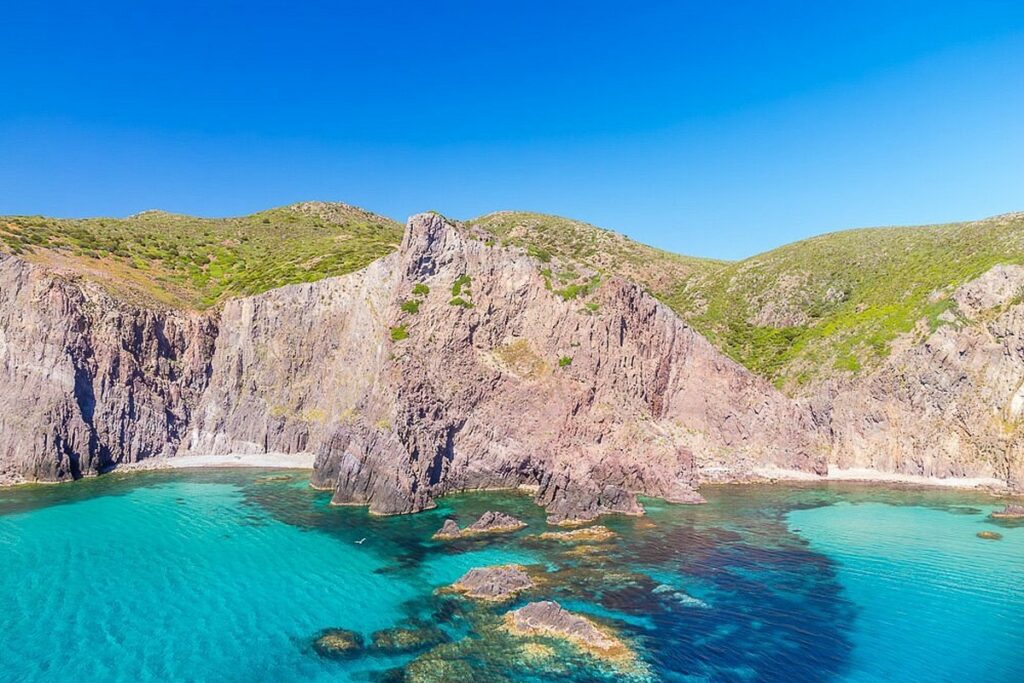
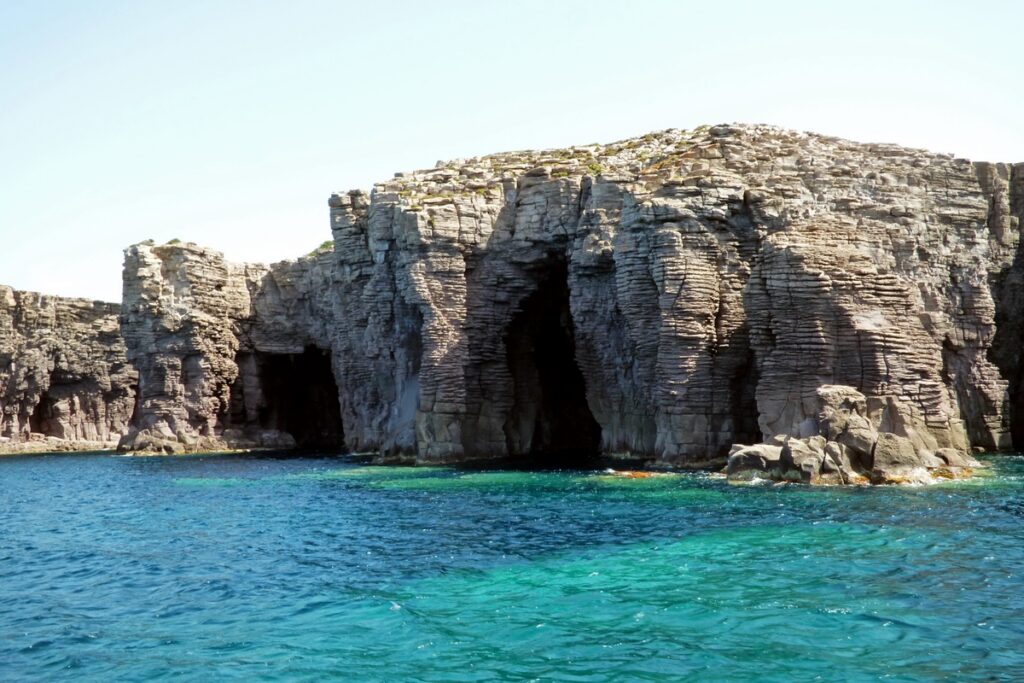
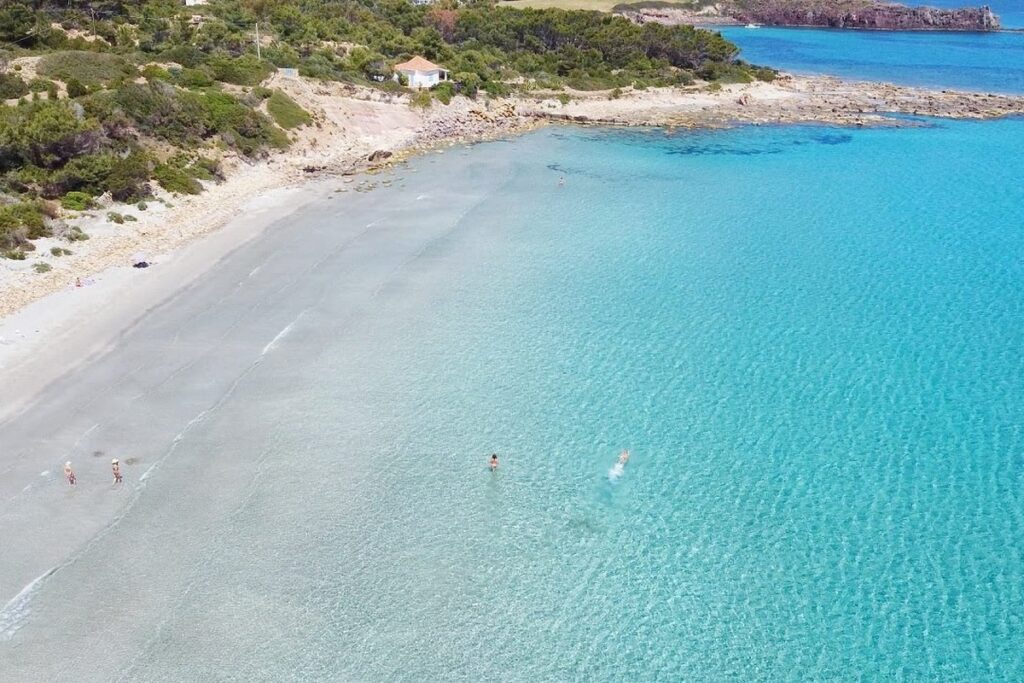
Jagged cliffs, hidden caves and long beaches of fine white sand follow one another endlessly along the shore.

Cabin Charter

Un’esperienza che profuma di macchia mediterranea e salsedine. Una navigazione lenta alla scoperta dei luoghi ancora incontaminati della Sardegna

Southern Sardinia

Sailing aboard a classic yacht from Cala Domestica to Chia means crossing unspoiled landscapes scented with Mediterranean scrub. A slow and authentic journey, far from crowded routes.

The coast of Sulcis Iglesiente is not only a succession of pristine landscapes; it is a geography shaped by rock, wind, sand and memory. Stories of seafarers who over the centuries crossed these waters and explored these shores, managing with determination to make them their home and, over time, to prosper without compromising their integrity. A fine example are the inhabitants of Carloforte, a Ligurian colony founded in the eighteenth century by Pegli exiles fleeing Tabarka in Tunisia.


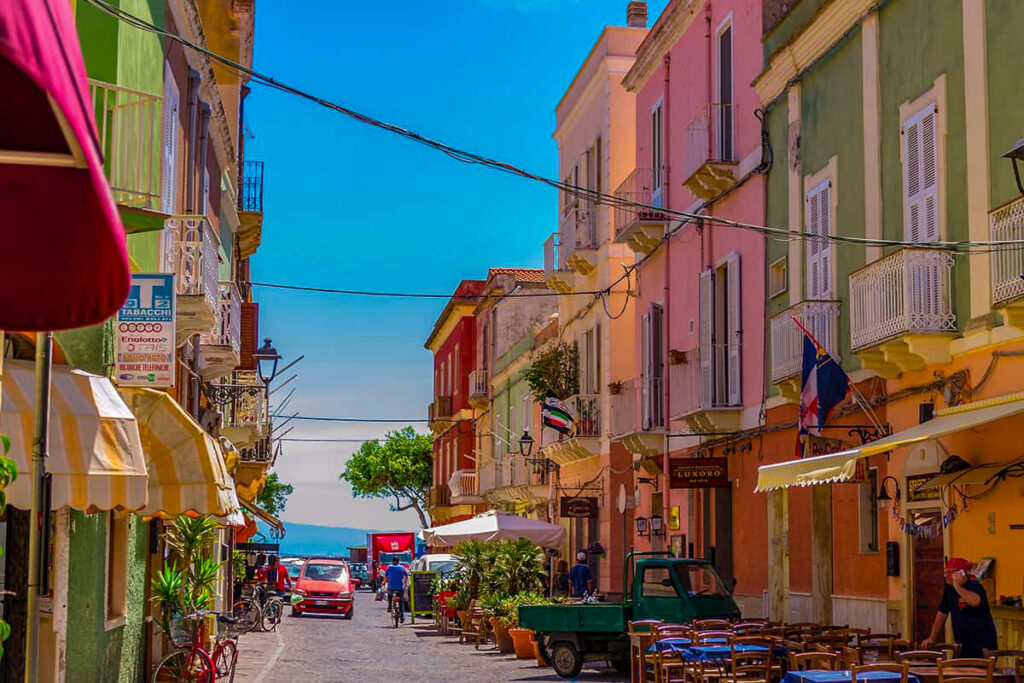
Here the language, cuisine and original Ligurian traditions have remained intact over time, among the typical caruggi, pastel-coloured façades and liberty-style buildings. Carloforte is also famous for the fishing of bluefin tuna through the ancient fixed tuna trap system, the tonnara, which has remained active in the Mediterranean. The season begins in April and ends in June, almost coinciding with the international Girotonno festival, where concerts alternate with culinary competitions between world-renowned chefs.

The cruise then continues along the coasts of Sant’Antioco, founded by the Phoenicians and considered the oldest inhabited town in Italy. Every inlet along the coast reveals the remains of ancient trading ports or shelters used by pirates and corsairs.

In the following days, navigation leads to the pristine beaches of Porto Pino, Cala Zafferano, Chia and Tuerredda, the latter famous for the touching story of the shepherd Ovidio Marras.

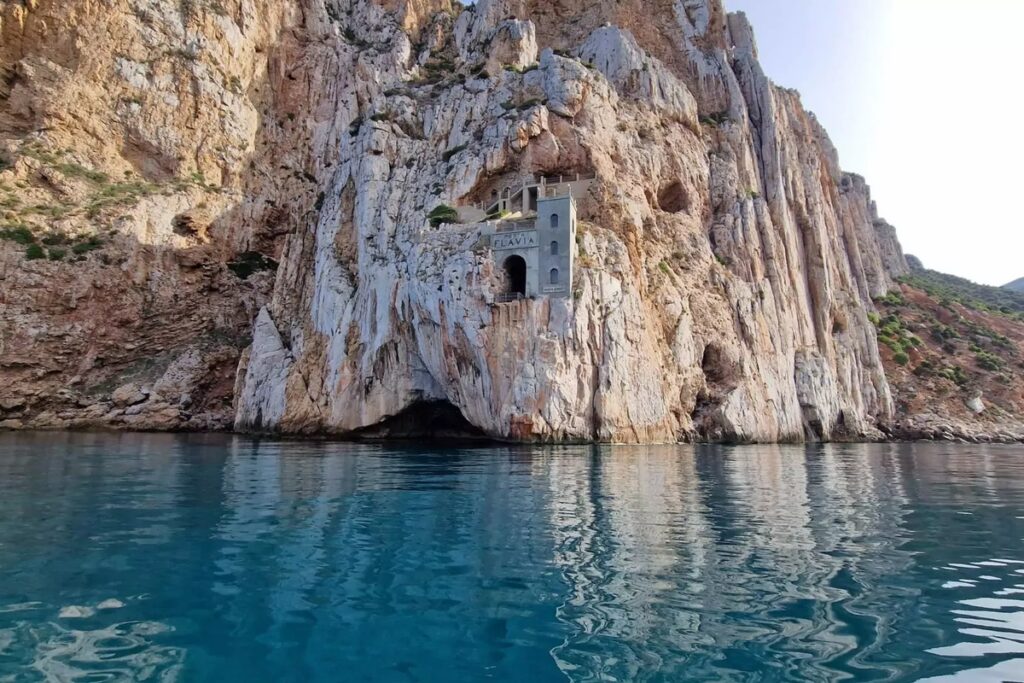
Just in time to glimpse the coast of Cagliari on the horizon before returning towards the mining coast of Iglesiente. Porto Paglia is the fisherman’s house, but above all Porto Flavia stands out — a visionary piece of engineering carved into the cliff, a suspended harbour overlooking the sea. From here the galanzieri, fearless sailors with their traditional wooden lateen-sail boats, once transported minerals to the nearby port of Carloforte.

This is the cruise aboard MOMO, the only one in Sardinia offering the opportunity to experience the sea in its fullest form — not only crystal-clear waters and enchanting places, but also culture and centuries-old traditions.
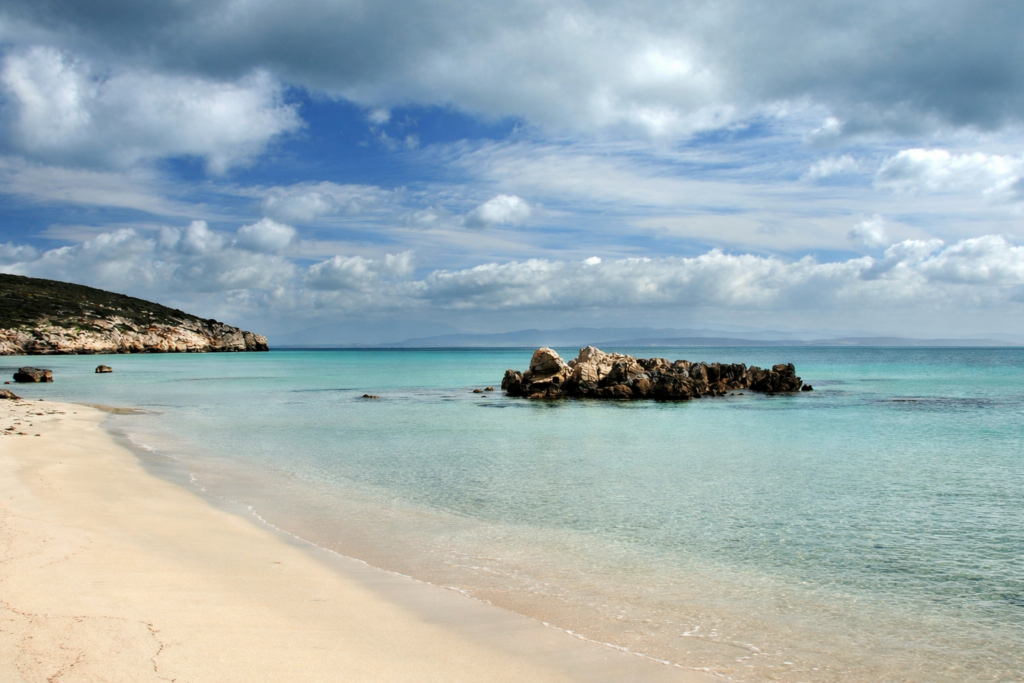
Sailing aboard a classic yacht from Cala Domestica to Chia means crossing unspoiled landscapes scented with Mediterranean scrub. A slow and authentic journey, far from crowded routes.

The coast of Sulcis Iglesiente is not only a succession of pristine landscapes; it is a geography shaped by rock, wind, sand and memory.

Stories of seafarers who over the centuries crossed these waters and explored these shores, managing with determination to make them their home and, over time, to prosper without compromising their integrity. A fine example are the inhabitants of Carloforte, a Ligurian colony founded in the eighteenth century by Pegli exiles fleeing Tabarka in Tunisia.

Here the language, cuisine and original Ligurian traditions have remained intact over time, among the typical caruggi, pastel-coloured façades and liberty-style buildings. Carloforte is also famous for the fishing of bluefin tuna through the ancient fixed tuna trap system, the tonnara, which has remained active in the Mediterranean. The season begins in April and ends in June, almost coinciding with the international Girotonno festival, where concerts alternate with culinary competitions between world-renowned chefs.

The cruise then continues along the coasts of Sant’Antioco, founded by the Phoenicians and considered the oldest inhabited town in Italy. Every inlet along the coast reveals the remains of ancient trading ports or shelters used by pirates and corsairs.

In the following days, navigation leads to the pristine beaches of Porto Pino, Cala Zafferano, Chia and Tuerredda, the latter famous for the touching story of the shepherd Ovidio Marras.

Just in time to glimpse the coast of Cagliari on the horizon before returning towards the mining coast of Iglesiente. Porto Paglia is the fisherman’s house, but above all Porto Flavia stands out — a visionary piece of engineering carved into the cliff, a suspended harbour overlooking the sea. From here the galanzieri, fearless sailors with their traditional wooden lateen-sail boats, once transported minerals to the nearby port of Carloforte.

This is the cruise aboard MOMO, the only one in Sardinia offering the opportunity to experience the sea in its fullest form — not only crystal-clear waters and enchanting places, but also culture and centuries-old traditions.
Sailing aboard a classic yacht from Cala Domestica to Chia means crossing unspoiled landscapes scented with Mediterranean scrub. A slow and authentic journey, far from crowded routes.

The coast of Sulcis Iglesiente is not only a succession of pristine landscapes; it is a geography shaped by rock, wind, sand and memory.

Stories of seafarers who over the centuries crossed these waters and explored these shores, managing with determination to make them their home and, over time, to prosper without compromising their integrity. A fine example are the inhabitants of Carloforte, a Ligurian colony founded in the eighteenth century by Pegli exiles fleeing Tabarka in Tunisia.

Here the language, cuisine and original Ligurian traditions have remained intact over time, among the typical caruggi, pastel-coloured façades and liberty-style buildings. Carloforte is also famous for the fishing of bluefin tuna through the ancient fixed tuna trap system, the tonnara, which has remained active in the Mediterranean. The season begins in April and ends in June, almost coinciding with the international Girotonno festival, where concerts alternate with culinary competitions between world-renowned chefs.

The cruise then continues along the coasts of Sant’Antioco, founded by the Phoenicians and considered the oldest inhabited town in Italy. Every inlet along the coast reveals the remains of ancient trading ports or shelters used by pirates and corsairs.

In the following days, navigation leads to the pristine beaches of Porto Pino, Cala Zafferano, Chia and Tuerredda, the latter famous for the touching story of the shepherd Ovidio Marras.

Just in time to glimpse the coast of Cagliari on the horizon before returning towards the mining coast of Iglesiente. Porto Paglia is the fisherman’s house, but above all Porto Flavia stands out — a visionary piece of engineering carved into the cliff, a suspended harbour overlooking the sea. From here the galanzieri, fearless sailors with their traditional wooden lateen-sail boats, once transported minerals to the nearby port of Carloforte.

This is the cruise aboard MOMO, the only one in Sardinia offering the opportunity to experience the sea in its fullest form — not only crystal-clear waters and enchanting places, but also culture and centuries-old traditions.
The destinations

Carloforte

San Pietro is an island within an island, suspended between Liguria and Sardinia, with an authentic maritime soul. The historic centre of Carloforte, with its colourful alleys, Tabarchin traditions and lively harbour, is the ideal starting point of the cruise.

From here the sailing experience begins at the right pace, between history and unspoiled sea. The first taste of a Southern Sardinia meant to be explored by boat.

Watch the 4K panoramic video →

Coaquaddus

Coaquaddus Beach lies on the south-eastern coast of the island of Sant’Antioco. Among limestone rocks, emerging reefs and banks of seagrass opens a beach of white sand, whose calm waters are a favourite destination for families and lovers of relaxation.

An authentic corner of Southern Sardinia, perfect for those who love nature in its purest form.

Watch the 4K panoramic video →

Coaquaddus

Coaquaddus Beach lies on the south-eastern coast of the island of Sant’Antioco. Among limestone rocks, emerging reefs and banks of seagrass opens a beach of white sand, whose calm waters are a favourite destination for families and lovers of relaxation.

An authentic corner of Southern Sardinia, perfect for those who love nature in its purest form.

Watch the 4K panoramic video →

Porto Pino

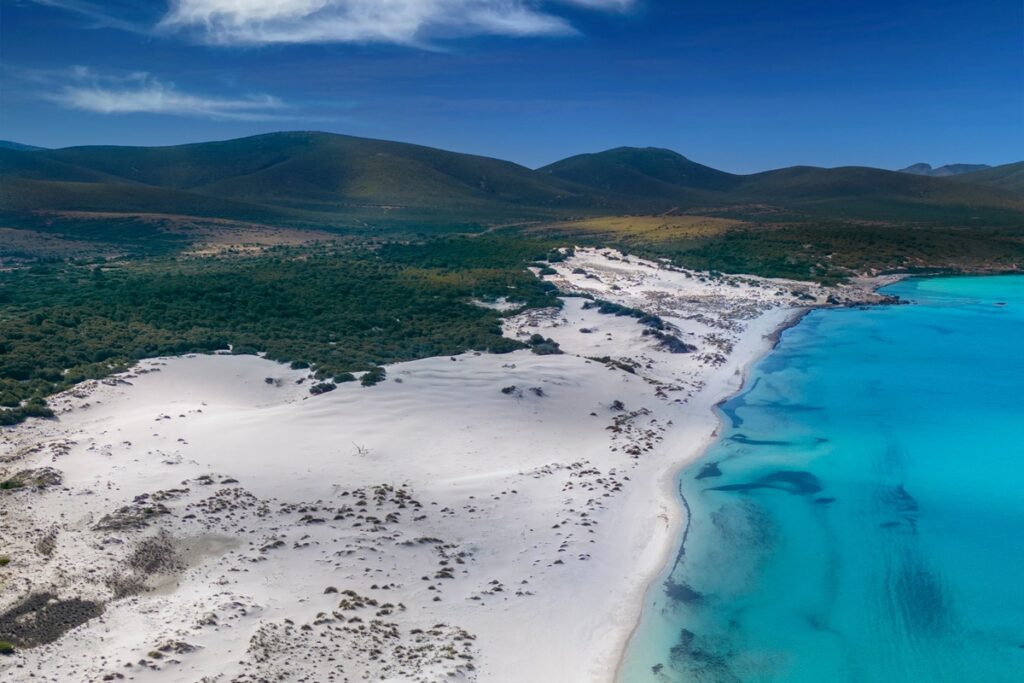
The dunes of Porto Pino are a rare system of white dunes among the most extensive in the Mediterranean.

High and soft, shaped by the mistral wind, they slowly move inland. Behind them lies the lagoon, in front an intensely coloured sea. A unique, fragile and spectacular landscape, where the desert meets the sea.

Watch the 4K panoramic video →

Cala Zafferano

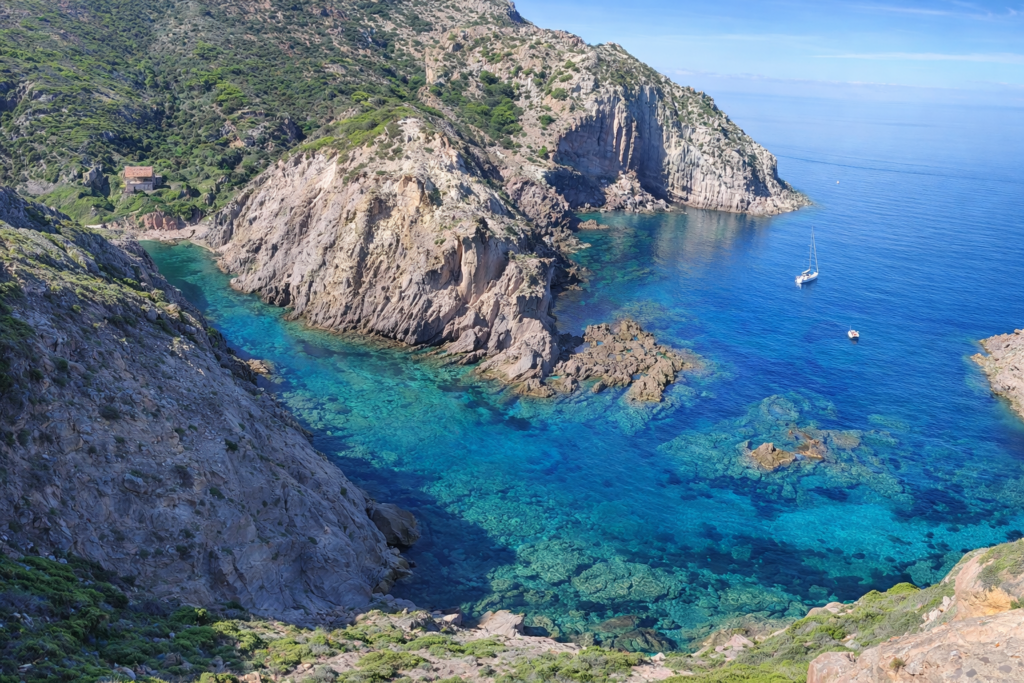
Cala Zafferano is a bay of extraordinary beauty, protected by the high cliffs of Capo Teulada. For about nine months of the year it is closed to the public, remaining accessible only during the summer season.

This makes it one of the most unspoiled and exclusive stretches of coastline on the island. An almost secret place, where the sea preserves exceptional colours and clarity.

Watch the 4K panoramic video →

Tuerredda

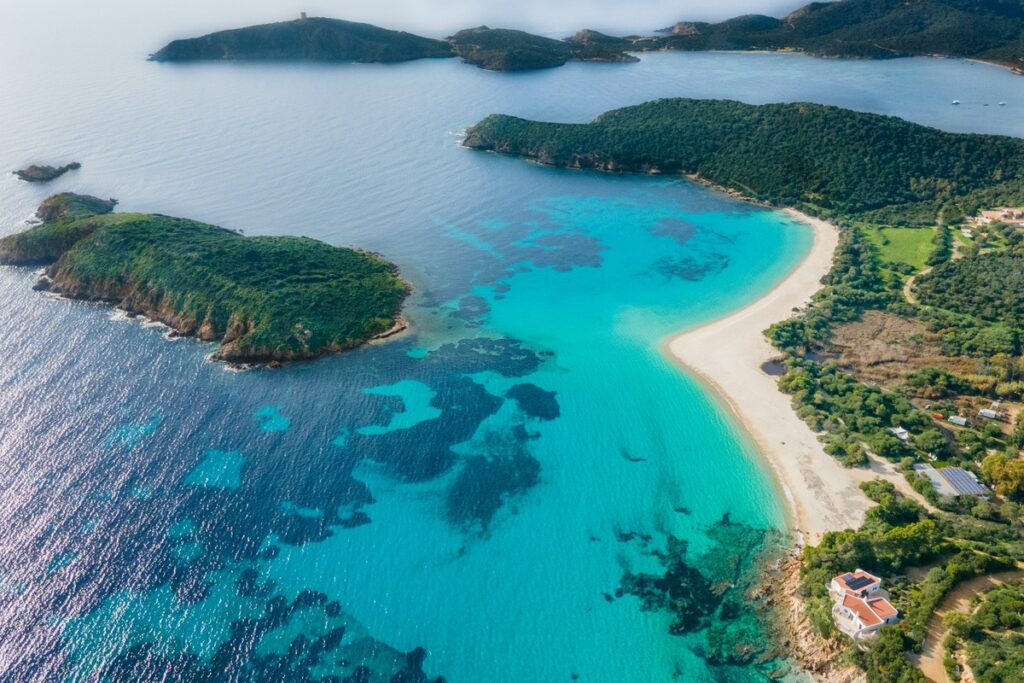
Tuerredda Beach is one of the most famous beaches in Sardinia. Its fine, light-coloured sand recalls Caribbean scenery.

In front of the beach, a small islet that can be reached by swimming completes this picture-perfect landscape. A bright and harmonious place where the Mediterranean reveals its most elegant side.

Watch the 4K panoramic video →

Chia

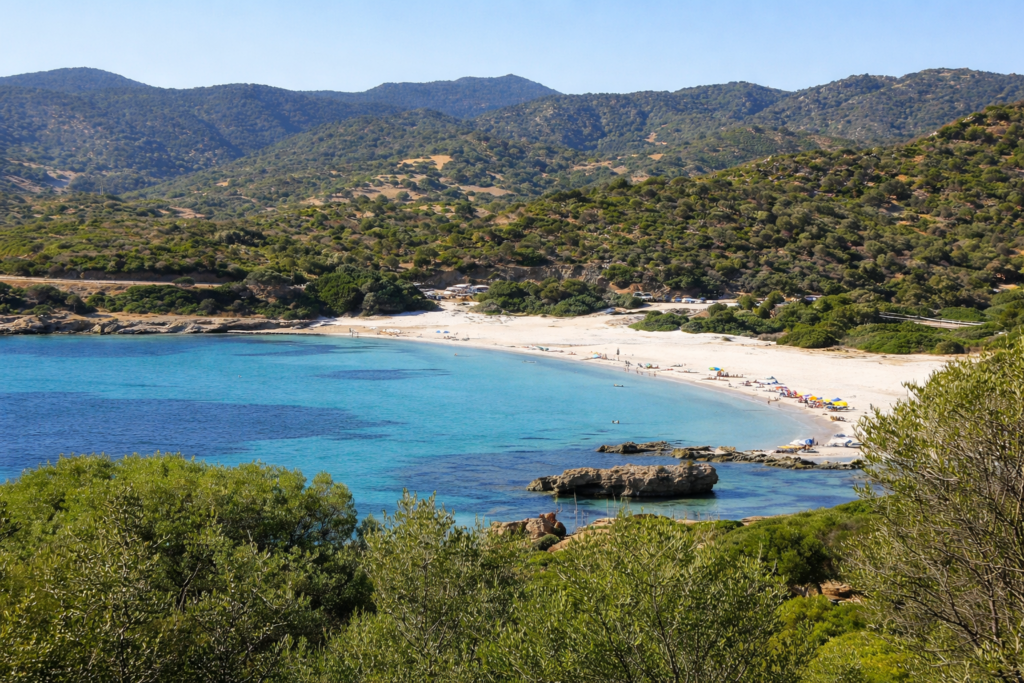
Su Giudeu is one of the most spectacular coves of Chia, famous for its golden sand.
The sea is shallow for long stretches, clear and intensely coloured, making it ideal for long swims.

The small rocky islet just off the beach can be reached with only a few strokes and rewards adventurous visitors with a unique view over the long sandy coastline of the area.

Watch the 4K panoramic video →

Piscinnì

Piscinnì is a crescent-shaped bay of white sand and pebbles, framed by low sandstone cliffs and Mediterranean scrub.

Its calm, crystal-clear waters and sandy seabed are ideal for SUP excursions and snorkeling. Its name, which in Sardinian means “small pool”, perfectly describes the protected and intimate atmosphere of this coastal gem.

Watch the 4K panoramic video →

Turri

Turri, on the slopes of Capo Su Moru, a few miles from the island of the Vacca, is home to three small coves that in the past served as landing points for Saracen pirates.

Tongues of golden sand and smooth rocks slide into a sea of turquoise and cobalt tones. Rarely visited by mass tourism, it remains an ideal refuge for a swim in full communion with nature.

Watch the 4K panoramic video →

Porto Paglia

Porto Paglia is a natural oasis where a long stretch of golden sand meets a sea of changing colours, from emerald green to deep blue.

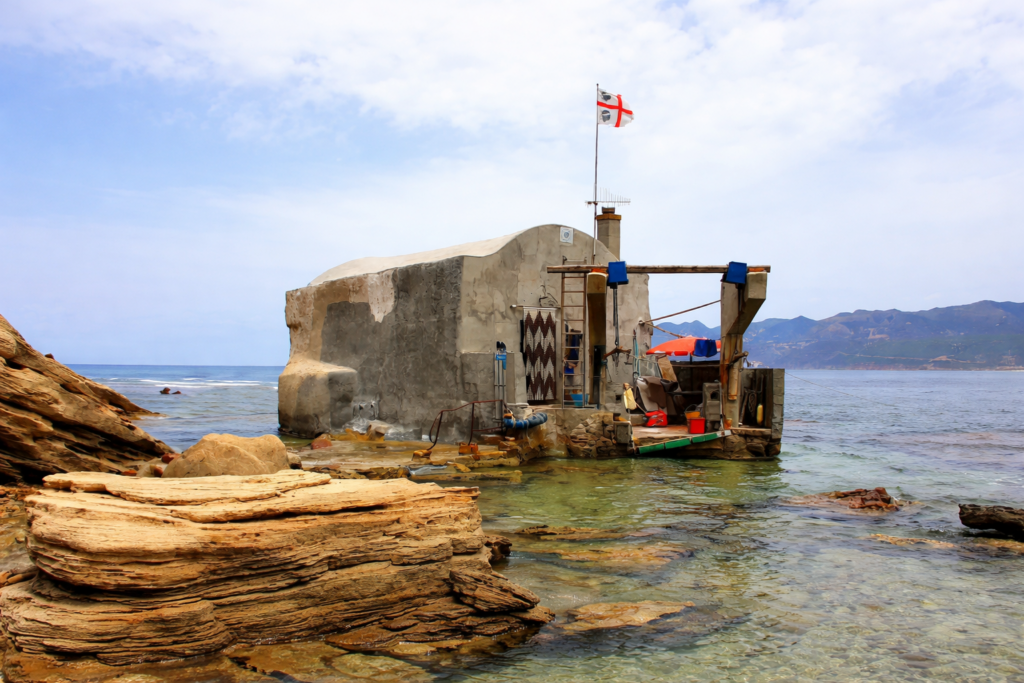
Its history is linked to the ancient tuna fishery of the 18th century, whose restored buildings still dominate the promontory south of the gulf. Not far from the beach, the Casa del Pescatore preserves the simple and authentic charm of traditional life by the sea.

Watch the 4K panoramic video →

Portu Sciusciau e Grotta Sardegna

Portu Sciusciàu is a small cove of rare purity, far from conventional routes, nestled along the mining coast between Porto Flavia and Cala Domestica.

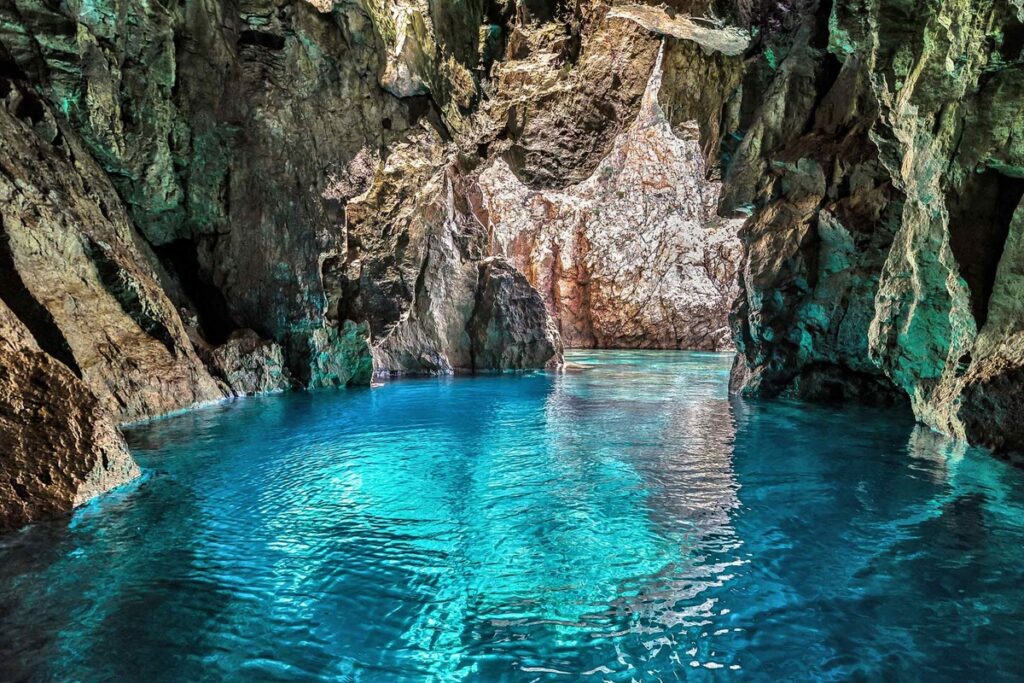
Rocky cliffs, deep waters and crystal-clear seabeds create a striking atmosphere. Here nature dominates without filters, far from crowded beaches and noise. An authentic corner of Sardinia, for those seeking peace and pristine sea.

Watch the 4K panoramic video →

Pan di Zucchero

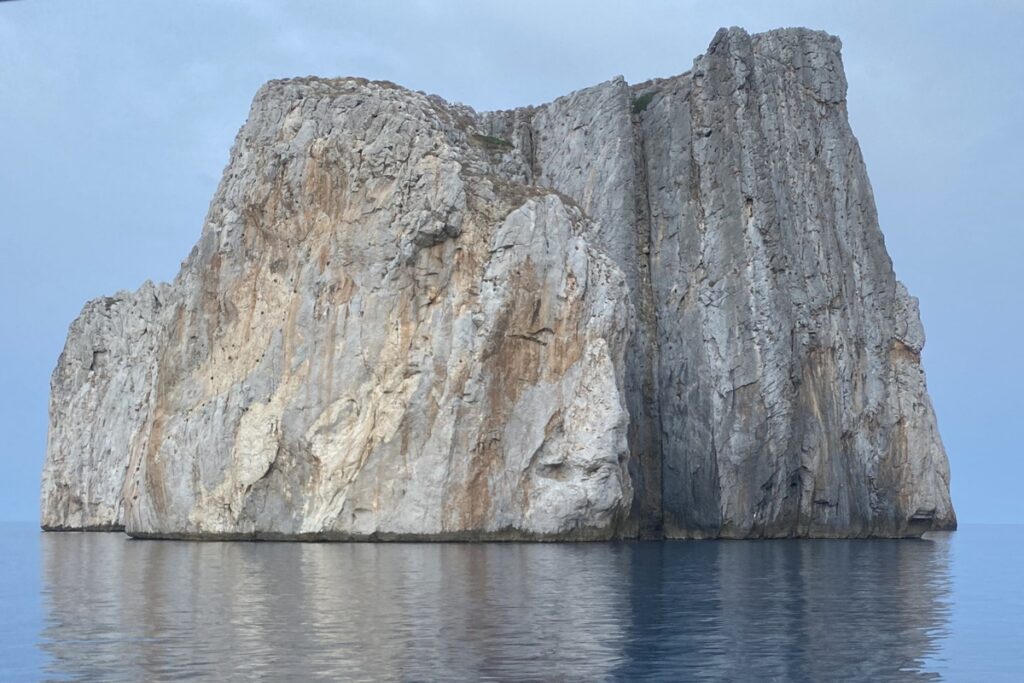
Pan di Zucchero is the highest sea stack in the Mediterranean, imposing and luminous in front of the coast of Masua.

Sculpted by wind and sea, it rises like a white rock cathedral from the deep blue. A symbol of the Sulcis Iglesiente, it dominates one of the most unspoiled stretches of coastline in Sardinia. A spectacular setting where nature and silence create timeless emotions.

Watch the 4K panoramic video →

Porto Flavia

Porto Flavia is a masterpiece of mining engineering carved into the cliff overlooking the sea. Excavated at the beginning of the twentieth century, it allowed minerals to be loaded directly onto the ships waiting below.

Suspended galleries, breathtaking cliffs and Pan di Zucchero standing in front make it a unique place in the world. A symbolic site of the Sulcis, where industrial history meets wild nature.

Watch the 4K panoramic video →

Cala Vinagra

Cala Vinagra lies along the northern coast of the island. Between the cliffs of dark rock, this small bay opens up to reveal a narrow fjord hidden within, once used as a landing place for one of the island’s tuna fisheries.

Here the sea offers the full variety of Mediterranean seabeds: wide turquoise stretches of sand alternate with pebbles, unusual rock formations and seagrass beds. Without doubt the best location for SUP and snorkeling.

Watch the 4K panoramic video →

Capo Sandalo e Capo Rosso

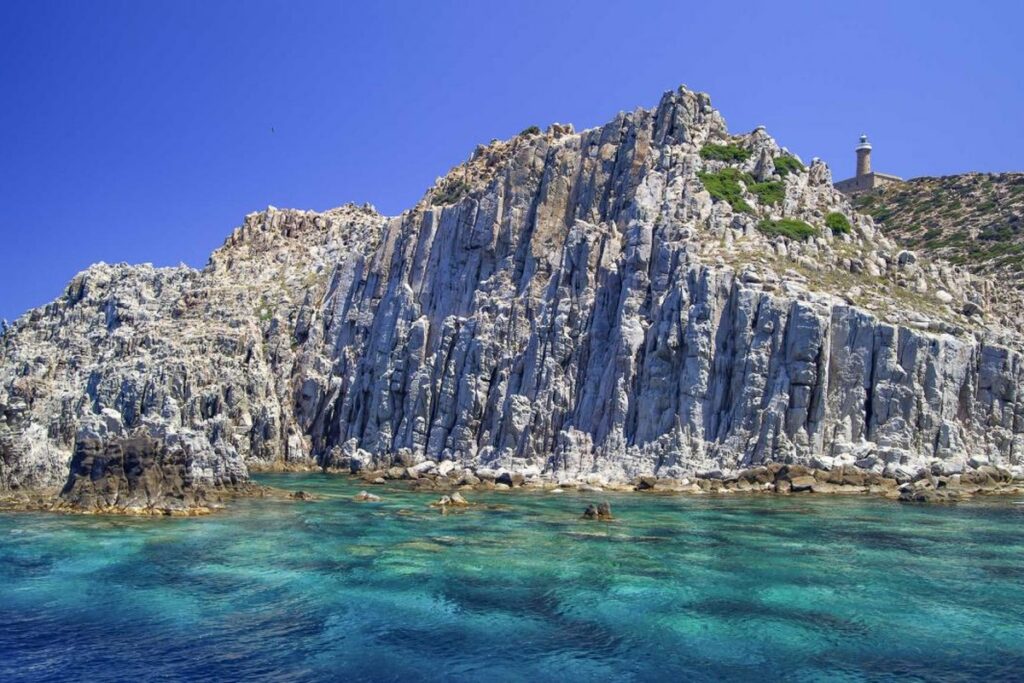
Capo Sandalo and Capo Rosso represent the most unspoiled soul of the island. Dark and imposing cliffs plunge into a deep sea beaten by the mistral wind. This is the kingdom of the falcons, which every year migrate from Africa to nest in the crevices of the coast. At Capo Sandalo, the lighthouse overlooks one of the most spectacular sunsets in the Mediterranean. A surprisingly primordial landscape, where nature reigns without compromise.

Watch the 4K panoramic video →

Caletta e Punta dei Cannoni

La Caletta is the only bay with a sandy beach on the western coast of the island. Here the sunset is the absolute protagonist, with the sun setting directly into the sea.

Along the long golden beach, the island’s most famous chiringuito serves the best mojitos to the rhythm of lively music.

Watch the 4K panoramic video →

La Mezzaluna

The Gulf of La Mezzaluna is characterised by imposing cliffs plunging into the sea, rising more than 20 metres high. The eastern side, known as the cliffs of Bue Marino, is formed by dark volcanic rocks shaped by the sea. At their base open striking caves and rocky columns that can be accessed only by sea.

On the western side remain the traces of former military positions, now abandoned, carved directly into the rock.

Watch the 4K panoramic video →

Guidi

Guidi is one of the largest sandy coves on the eastern side of the island of San Pietro. It is enclosed between the dark rocks of Punta Nera and the low sandstone cliff that separates it from the beach of La Bobba.

Its shallow and sandy seabed makes it a popular destination for the jet set in this part of Sardinia. Along the fine sand beach, with its pink reflections, two chiringuitos are frequented by both young people and families.

Watch the 4K panoramic video →

Il Giunco

Giunco Beach is famous for its three natural “pools”: a first very shallow and crystal-clear area, ideal for children; a second zone with deeper seabeds and intense turquoise colours; and a third one further offshore, immediately deeper and of a deep blue. When the sea is calm, it offers an extraordinary spectacle of blue shades.

Behind the beach stretch the Carloforte salt pans, habitat of pink flamingos and rare birdlife, with an open view toward the island of Sant’Antioco.

Watch the 4K panoramic video →